When a patient is diagnosed with a condition affecting the circulatory system, the physician may assess whether vascular surgery is required.
What is vascular surgery?
Vascular surgery treats vascular diseases through surgical procedures following diagnosis of the underlying condition. It is the field of expertise of the vascular surgeon.
What is the goal of the vascular surgeon?
The vascular surgeon aims to prevent and treat diseases of the arteries and veins, using a variety of techniques to do so.
What does the consultation involve?
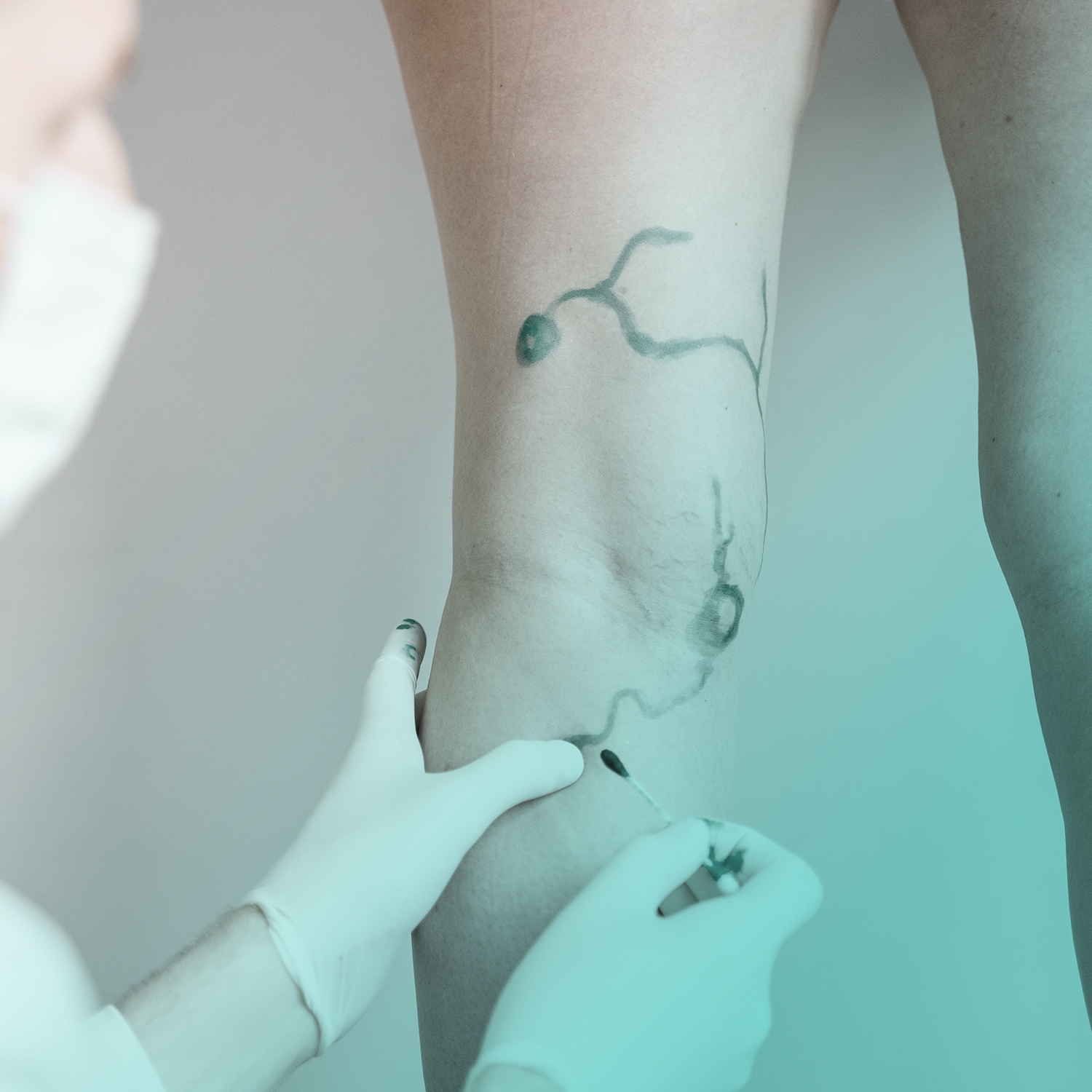
During the visit, in addition to the clinical examination and medical history, the vascular specialist evaluates the anatomy of the vessels, their course, the presence of narrowings (stenosis), dilatations (varicose veins), obstructions (thrombosis), and assesses blood flow velocity within them. The possible presence of complications (hematomas, hemorrhages, thromboembolic disease), the potential progression of venous disease, and its impact on the body are also examined.
These assessments are performed using color Doppler ultrasound. This examination also allows evaluation of the arterial side of the circulatory system, identifying possible distal arterial disease (arteriosclerosis or peripheral arterial occlusive disease of the lower limbs) or disease of the cervico-cephalic district (screening for carotid or vertebral stenosis), supporting more effective prevention of ischemic cerebrovascular disease (stroke or TIA).
Particular attention is also given to the lymphatic system, which is often associated with venous disease and whose dysfunction may cause swelling of the upper or lower limbs (lymphedema, lympho-phlebedema).
- And what about angiology?
- Angiology is the branch of medicine that studies the anatomy and physiology of blood and lymphatic vessels and their diseases. More specifically, phlebology focuses on the venous system, while lymphology addresses the lymphatic system. Vascular surgery represents the operative component of angiology, with the therapeutic goal of “repairing” anatomical defects of the circulatory system.
- What is venous insufficiency?
- Venous insufficiency can range from the simple presence of dilated capillaries with primarily aesthetic impact (telangiectasias, angiomas, couperose, spider angiomas) to dilation of the saphenous veins with the appearance of varicose veins. This condition may cause mild symptoms (heaviness, edema, itching, burning, tingling) or lead to complications of varying severity (erysipelas, phlebitis, ulcers, hemorrhages, thrombosis, and embolism).
- What can I find at J|medical? A fully equipped center and qualified physicians. For venous surgery of the lower limbs and the treatment of varicose veins (dilated and incompetent veins, particularly the great and small saphenous veins), J|medical performs an innovative procedure that uses a special biological adhesive to ablate the vein from the inside, in a non-invasive and completely painless way. This technique involves the use of a highly biocompatible adhesive (cyanoacrylate), specifically modified to polymerize upon contact with plasma and avoid adverse reactions, scarring, or intravascular hardening. Once a minimal amount of adhesive is delivered, the vein is compressed to allow polymerization of the cyanoacrylate and permanent closure of the vein. The entire procedure is performed under ultrasound guidance, enabling visualization of the vein along its entire course, as well as the catheter and adhesive, with real-time confirmation of vein closure. VASCULAR SURGERY IN THE OPERATING ROOM Cyanoacrylate saphenectomy. This is a surgical procedure used to treat varicose veins or dilated, malfunctioning saphenous veins. Instead of surgically removing the saphenous vein, a cyanoacrylate adhesive is used to close the vein and interrupt blood flow. The goal is to reduce symptoms associated with varicose veins (such as pain, swelling, and heaviness in the legs), thereby improving the patient’s quality of life. This procedure can be a valid alternative to traditional saphenectomy, offering a less invasive approach and faster recovery. Phlebologic surgery. This is a medical specialty focused on the diagnosis and treatment of venous diseases and other venous circulatory disorders (such as varicose veins, chronic venous insufficiency, and deep vein thrombosis). It includes surgical interventions such as saphenectomy (removal of varicose veins), sclerotherapy (injection of a solution to induce vein closure), and laser or radiofrequency treatments, aimed at improving venous circulation and reducing pain, swelling, and related symptoms. Müller phlebectomy. This is a minimally invasive vascular surgical procedure used to treat varicose veins. Varicose veins are removed through small skin incisions. The procedure aims to improve aesthetic appearance and reduce symptoms such as pain, swelling, and discomfort. It is considered minimally invasive because it involves small incisions and generally requires a shorter recovery time than more invasive surgical procedures. Crossectomy. As part of vascular treatment, crossectomy involves incision and interruption of the great saphenous vein or small saphenous vein, the main superficial veins commonly affected by varicose disease. The procedure reduces reverse blood flow in the affected veins and improves venous circulation, while also relieving discomfort often caused by inflammatory disorders involving these major vessels. Minimally invasive vascular surgery. Within phlebologic surgery, minimally invasive vascular surgery includes advanced techniques aimed at treating vascular disorders—such as arterial or venous disease—through the use of catheters and specialized instruments.