TRADITIONAL RADIOLOGY at J|medical
It often happens that, during a visit, the doctor requests further checks so as to have as clear and in-depth a picture as possible before making their assessments. In some cases, for example, the doctor may request the help of a colleague specialized in radiology.
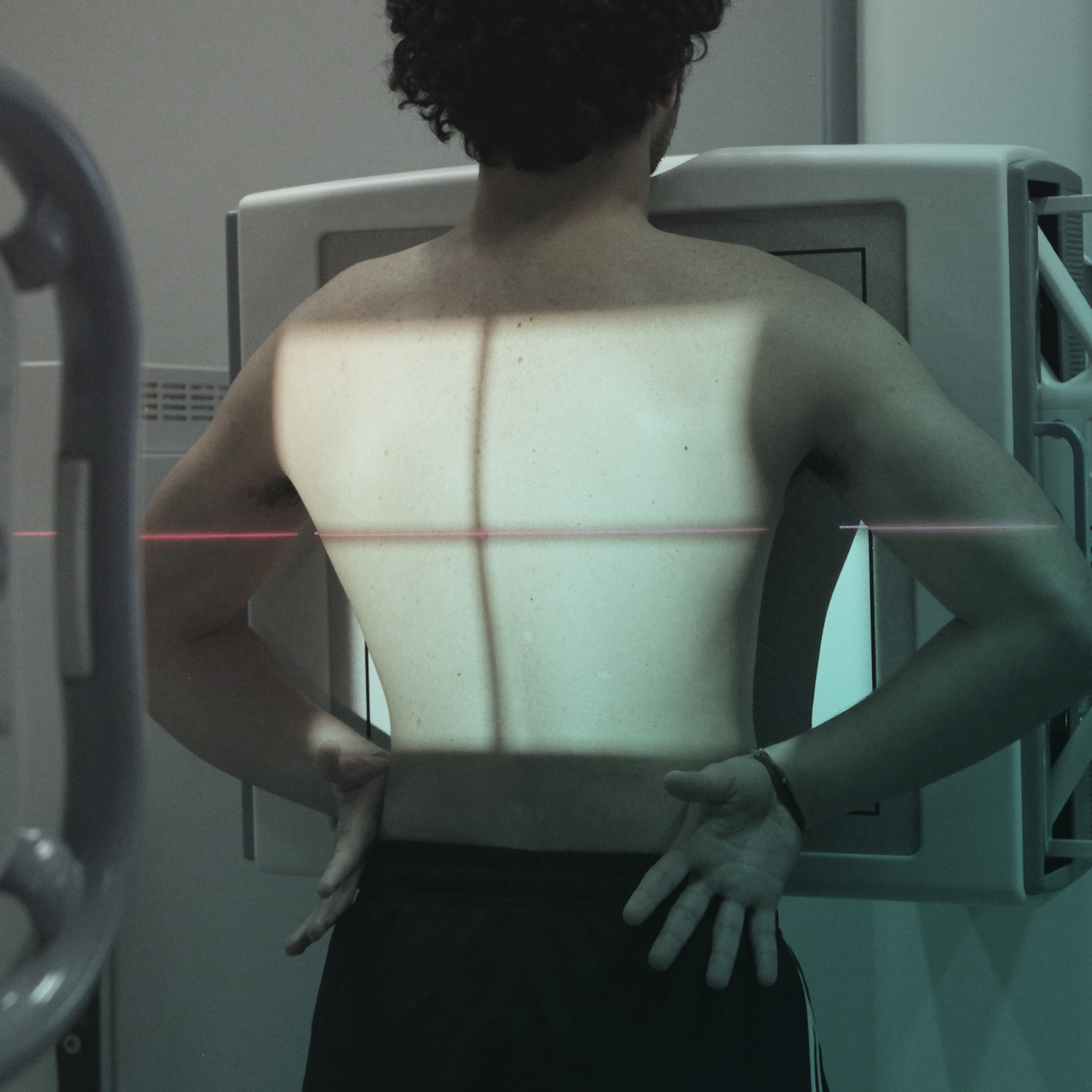
What is traditional radiology? Traditional radiology is a branch of diagnostic imaging that deals with obtaining images of the human body through the use of X-rays.
Why are they necessary? Because they help the doctor diagnose a wide variety of pathological conditions, with particular reference to osteoarticular problems. For this reason, radiological exams play a crucial role in providing detailed images, allowing diagnosis and relative planning of the treatment to follow.
How much are they used? Radiography represents about 60% of all diagnostic procedures. For this reason, it is very important to be able to use latest-generation equipment.
What exams can be performed at J|medical? In our center, it is possible to perform radiographic exams of all skeletal districts such as skull, spine, upper limb and lower limb, chest, pelvis, full spine teleradiography, weight-bearing and functional exams. Radiographic exams can also be performed using different types of contrast media, so as to obtain detailed studies of hollow organs such as the esophagus, stomach, or bladder.
What does the digestive system exam include? The radiographic exam of the digestive system includes the study of the esophagus-stomach-duodenum-colon. It is a useful exam for diagnosing various pathologies such as, for example, duodenal ulcers or evolutionary lesions of the stomach. And regarding the urethra exam? In this case too, one operates via contrast media. Retrograde and voiding cystourethrography is still today an exam of notable importance for evaluating the anatomy and functioning of the urethra.